
Bangladesh has faced numerous challenges. For instance, political instability has played a significant role. Moreover, economic disparities persist. Thus, rebuilding national unity of Bangladesh – after years of misrule and disunity requires a thoughtful, multi-faceted approach, rooted in shared values, long-term commitments and inclusive actions.
Here are some suggestions on how to rebuild national unity in Bangladesh and get the general mass working together toward a stronger nation:
1. Promote Political and Civic Engagement
- Inclusive Political Dialogue: There needs to be an open, inclusive political dialogue that involves all major political parties, civil society and key stakeholders. Trust-building among political leaders is essential. As a result, a culture of political tolerance and cooperation can go a long way in bridging divides.
- Engage Youth in Politics: Involving younger generations in politics and governance will give them a voice in shaping the future of the nation. This could be done by encouraging youth leadership, fostering political awareness and creating opportunities for them to engage in decision-making processes. https://www.undp.org/bangladesh/blog/youth-leading-way-good-governance-bangladesh
2. Strengthen Democratic Institutions and Governance
- Ensure Free and Fair Elections: The backbone of national unity is trust in the democratic process. Ensuring that elections are free, fair and transparent will help citizens feel represented and valued.
- Judicial and Media Independence: Strengthening the rule of law and ensuring that the judiciary and media can operate independently without fear of retaliation is essential for a fair society. Accountability and transparency in governance would help restore faith in national institutions.
3. Education and Awareness Programs
- Promote National Identity and Patriotism: National unity often begins with a strong sense of shared identity. Educational programs that highlight the nation’s history, culture and achievements could foster a sense of pride and belonging. National celebrations, awareness campaigns and patriotic messages can also unite the people around a common goal.
- Civic Education and Tolerance: Schools and media outlets should promote the values of civic responsibility, mutual respect and tolerance. Teaching students about democracy, human rights and the importance of unity can shape the mindset of future generations.
4. Address Economic Inequality
- Reduce Poverty and Economic Disparities: Economic inequality often exacerbates social divisions. Developing policies and initiatives to reduce poverty, ensure equitable economic growth and create job opportunities can help bridge the gap between different social classes. Economic opportunities should be available to all citizens, particularly in rural and underdeveloped areas.
- Inclusive Development: Economic growth should be inclusive, focusing on marginalized communities, women and ethnic minorities. This can create a more harmonious society where everyone feels part of the nation’s progress.
5. Restore Trust through Accountability and Reconciliation
- Anti-Corruption Measures: A major challenge to unity is corruption, which erodes trust in the system. Strengthening anti-corruption measures, enforcing accountability and making public officials answerable for their actions would restore credibility in government institutions.
- Reconciliation Processes: In times of division, fostering a culture of reconciliation is key. This could involve creating platforms for dialogue, truth commissions and promoting forgiveness. Public acknowledgment of past mistakes and an effort to heal wounds can help create a more cohesive society.
6. Empower Civil Society and Community Building
- Strengthen NGOs and Community Groups: Bangladesh has a vibrant civil society. Empowering non-governmental organizations (NGOs) and community-based groups to play a larger role in social and political processes can provide an alternative to traditional power structures and help promote grassroots movements for unity.
- Inter-Community Collaboration: Building bridges between different communities – be it based on religion, ethnicity, or region – is essential. Organizing community events, interfaith dialogues and collaborative projects that bring people from diverse backgrounds together will help reduce divisions and create a shared sense of belonging.
7. Focus on National Healing and Mental Health
- Address Trauma: The people of Bangladesh have endured decades of political unrest, violence and economic instability. Offering programs that focus on mental health and trauma recovery is crucial. Healing societal wounds through counseling, social programs and open conversations can create emotional and social reconciliation.
- Cultural and Artistic Projects: Art, music, literature and other cultural activities can be used as powerful tools for healing. So, promoting art projects and public performances that reflect unity, hope and the collective identity of the nation can provide a non-political way to bond people together.

8. International Support and Collaboration
- Global Partnerships for Development: Bangladesh could benefit from stronger collaborations with international organizations and foreign governments. These partnerships could focus on human rights, democratic governance, poverty alleviation, and other key areas.
- Cultural Diplomacy: Promoting Bangladesh’s culture, heritage and values on the international stage can also help create a positive image abroad, which in turn could encourage national pride and unity at home.
9. Fostering a Peaceful Society
- Non-Violent Movements: The political climate in Bangladesh has seen much violence in the past. Creating peaceful, non-violent methods for political and social change can help end cycles of conflict. This includes promoting peaceful protests, dialogues and civic engagement without resorting to violence or intimidation.
- Community Policing and Security: Ensuring that law enforcement is fair, accountable, and works with the community can help ensure that safety is available to everyone, regardless of political or social status.
Conclusion:
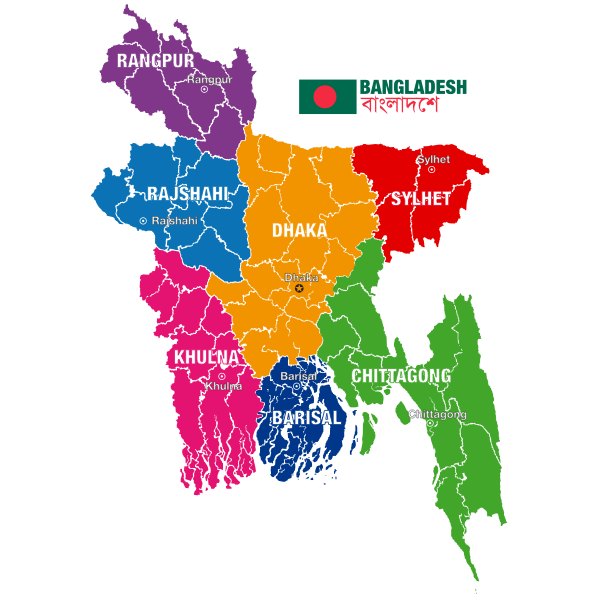
Rebuilding national unity in Bangladesh will take time, patience and a commitment to a peaceful and democratic processes. Basically, the road ahead will require efforts from all sectors of society: government, political leaders, civil society and the people themselves. Healing, dialogue, education and creating shared opportunities for growth are essential for creating a unified Bangladesh that can move forward together as a stronger, more peaceful nation.
Amazing writeup! 😄
Thanks so much, Tuee! Get it reached more people and lets help rebuilding the national unity.
Dear Lucy, your blog post offers a thoughtful and comprehensive framework for rebuilding national unity in Bangladesh. However, addressing following critiques would make the post more actionable, engaging, and impactful for its intended audience.
1. Lack of Specificity and Concrete Examples. You have outlined many broad strategies, without specific examples or case studies, how these strategies could be implemented in Bangladesh. For instance, you have mentioned “inclusive political dialogue” but does not provide details on how such dialogue could be structured or facilitated. You may include real-world examples or case studies from Bangladesh or other countries that have successfully implemented similar strategies.
2. Overemphasis on Top-Down Approaches. The post focuses heavily on government-led initiatives (e.g., strengthening democratic institutions, anti-corruption measures) but does not sufficiently emphasize the role of grassroots movements or local communities in driving change. You may highlight the importance of bottom-up approaches, i.e., community-led initiatives, local governance reforms, and the role of ordinary citizens in fostering unity.
3. Limited Discussion on Historical and Cultural Context. The post does not delve deeply into the historical and cultural factors that have contributed to disunity in Bangladesh which is crucial for designing effective solutions. You may provide a brief historical overview of the roots of political and social divisions in Bangladesh.
4. Ambiguity in Implementation. The post outlines many high-level ideas but lacks in a clear roadmap for implementation. For example, you suggested “reducing poverty and economic disparities” but does not explain how this could be achieved in practice. You may include actionable steps or policy recommendations for each strategy.
5. Overlooking Regional and Global Influences. The post briefly mentions international support but does not fully explore how regional dynamics (e.g., relations with India, China, and Myanmar) or global trends (e.g., climate change, migration) impact national unity in Bangladesh. You may expand the role of regional and global factors in shaping Bangladesh’s unity.
6. Lack of Critical Perspective. The post presents a largely optimistic view of the proposed solutions without critically examining potential obstacles or limitations. For instance, it assumes that political leaders will willingly engage in inclusive dialogue, which may not always be the case. You may acknowledge potential challenges and resistance to these strategies. Discuss how to overcome political resistance, bureaucratic inefficiencies, or cultural barriers.
7. Limited Focus on Technology and Innovation. The post does not address the role of technology and innovation in fostering national unity. In today’s digital age, technology can play a significant role in promoting dialogue, transparency, and economic opportunities. You may include a section on leveraging technology, such as digital platforms for civic engagement, e-governance initiatives, or tech-driven solutions for economic development.
8. Missing Call to Action. The post concludes with a general statement about the need for collective effort but does not provide a clear call to action for readers. What can individuals, organizations, or communities do to contribute to national unity? You amy end with a strong call to action, encouraging readers to take specific steps, such as participating in community dialogues, supporting local initiatives, or advocating for policy changes.
By incorporating these suggestions, you can enhance the depth, clarity, and practicality of their recommendations, making the post a more effective tool for inspiring change in Bangladesh.
Thank you so much for your thoughtful and insightful feedback, Sumon! Your suggestions have truly inspired me to take this topic even further. I’m working on a follow-up post to address the points you raised, including more concrete examples, the role of grassroots movements and the historical and cultural context that has shaped unity in Bangladesh. I truly appreciate your contribution to this important conversation and I hope to make the next post even more actionable and meaningful for all readers. Stay tuned!
Thank you so much dear
Hope you read my follow up post. please inspire me with your valuable comment on that, Thanks Sumon.