
Introduction: Starting your website and optimizing it for search engines can seem overwhelming at first. But, with the right approach, SEO (Search Engine Optimization) becomes an exciting and rewarding journey. Whether you’re a blogger, a business owner or someone just starting out, this post will guide you through SEO Insights: Essential Tips for Beginners to get your website noticed. I’ll explore SEO Insights: Essential Tips for Beginners and share practical tips designed specifically for beginners. These actionable strategies will help you understand the basics of SEO and set you on the path to success. https://lucysjourney.com/category/perception-truth/
1. Understanding SEO Insights for Beginners
SEO is all about improving your website so that search engines like Google can easily find and rank it. The goal is to drive more organic traffic to your site. It includes several factors like keywords, meta tags, user experience and site structure.
- Keywords: Keywords are the terms your audience is searching for. By including relevant keywords in your content, you make it easier for search engines to understand your site’s topic.
- Meta Tags: These include titles, descriptions and headers. They help search engines and users understand what your content is about before even clicking on your page.
2. Focus on High-Quality Content
Content is king in SEO. Search engines prioritize websites that provide valuable, relevant and original content. Make sure your posts answer your audience’s questions and provide solutions.
- Relevance: Ensure your content answers what your users are searching for. Answering their queries directly can increase your chances of ranking higher.
- Length: Longer, in-depth posts generally perform better, but make sure it’s valuable and not stuffed with unnecessary details.
3. Optimize Your Website for User Experience
Your site’s user experience (UX) plays a significant role in SEO. If users find your website easy to navigate, with fast loading speeds and a clean design, they are more likely to stay and explore.
- Mobile Responsiveness: More and more people browse the web on their mobile devices, so your website must look good and function well on all screen sizes.
- Page Speed: Slow websites are a turn-off. Tools like Google PageSpeed Insights can help you assess and improve your site’s loading time.
4. Build Quality Backlinks
Backlinks are links from other websites to your site. They signal to search engines that your content is trustworthy and authoritative. The more high-quality backlinks you have, the better your chances of ranking well.
- Guest Blogging: One great way to get backlinks is by writing guest posts for other reputable websites.
- Networking: Collaborating with other bloggers or influencers in your niche can help you acquire natural backlinks.
5. Track Your Progress with Analytics
Once your SEO efforts are in motion, it’s crucial to monitor your website’s performance. Google Analytics is a free tool that helps you track visitor behavior, see which pages perform best and understand where improvements are needed.
- Keyword Rankings: Check how well your target keywords are ranking.
- Traffic Sources: See where your visitors are coming from (e.g., organic search, social media).
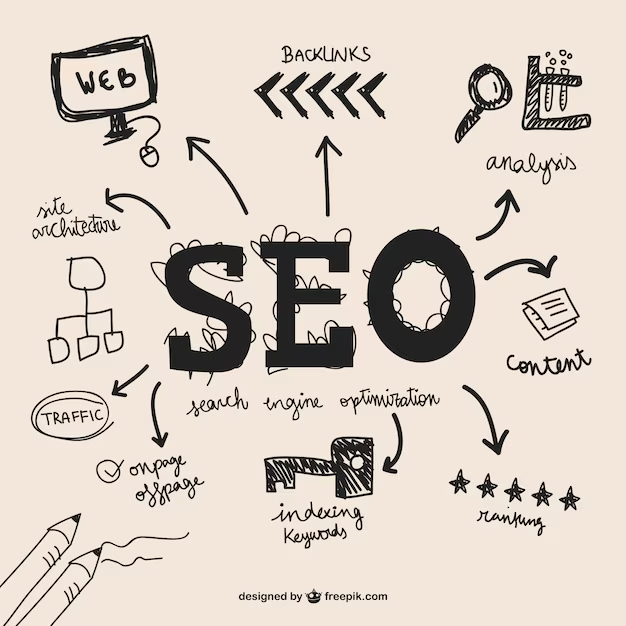
Conclusion: SEO may seem complicated, but by following these simple steps, you can gradually improve your website’s visibility on search engines. Keep learning, experimenting and monitoring your progress. Over time, with consistency and effort, your website will not only gain traffic but also provide value to your audience. Happy optimizing! 😊
You may get some more information here ➡️ https://searchengineland.com/guide/what-is-seo