Addressing Key Challenges, Exploring Actionable Solutions and Learning from Global Examples
Introduction:
In my previous discussion on “Rebuilding National Unity in Bangladesh”, I explored several strategies aimed at uniting the nation. However, feedback from thoughtful readers has inspired me to dive deeper into the topic “Enhancing Bangladesh’s Path to Unity: A Deeper Look”, providing more actionable insights, examples and context to strengthen my vision of a united Bangladesh. In this follow-up post, I will explore specific examples of strategies, challenges to implementation and the crucial role of grassroots movements in building lasting unity.
1. Providing Specific Examples and Concrete Steps
One of the key critiques of the original article was the need for more specificity. Thus, “Enhancing Bangladesh’s Path to Unity: A Deeper Look” getting published here. To move beyond broad strategies, we need to explore real-world examples of how these approaches have worked in other countries, as well as how they can be implemented in Bangladesh.
Inclusive Political Dialogue
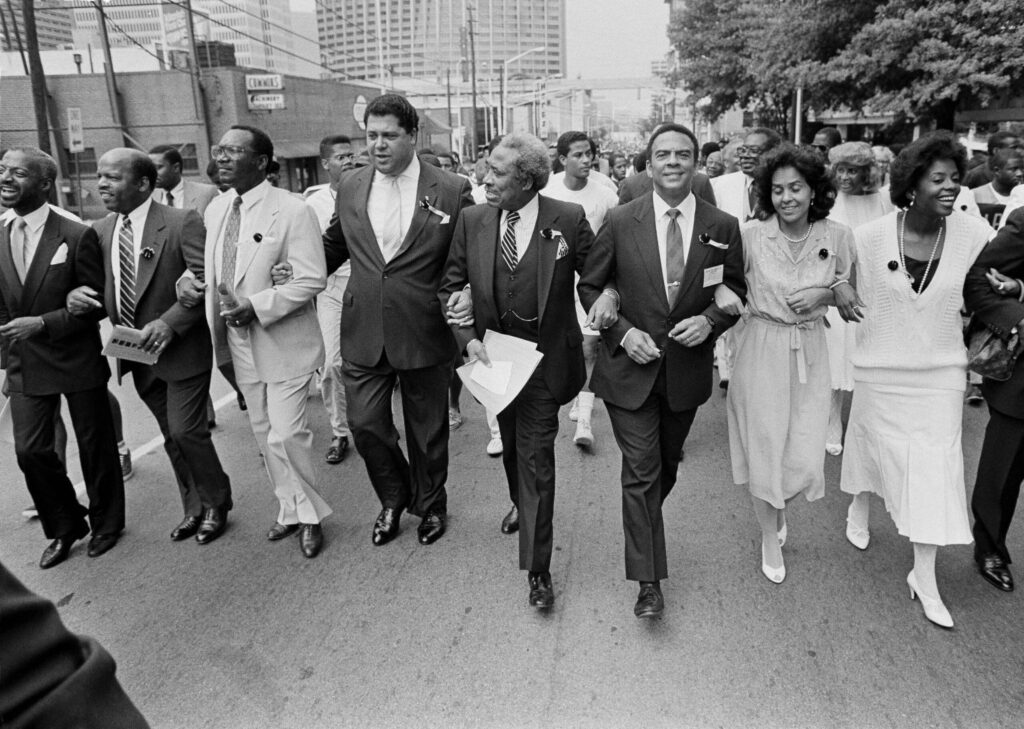
A practical example of inclusive political dialogue can be found in South Africa’s post-apartheid transition, where leaders from different political backgrounds came together for the Truth and Reconciliation Commission. Likewise, Bangladesh could create similar dialogues that include representatives from various political parties, civil society groups and marginalized communities, fostering trust and reducing polarization.
Strengthening Local Governance
Another example comes from Rwanda, which established community-based governance initiatives after the 1994 genocide. Similarly, in Bangladesh, empowering local leaders and communities through decentralized governance can help address local issues, promote accountability and reduce political divides. Read more about the country’s present ranking upon taking community based governance initiative after the 1994 genocide ➡️ https://www.gov.rw/highlights/governance
2. The Role of Grassroots Movements and Bottom-Up Approaches
While top-down approaches are crucial, they are not sufficient on their own. Because, Grassroots movements and local initiatives are often the driving forces behind lasting change.
Community-Led Initiatives
In countries like Brazil, grassroots movements have successfully promoted inclusive development, focusing on issues like education, healthcare and social justice at the local level. Bangladesh could benefit from creating community-driven programs that tackle issues such as poverty and education, allowing citizens to take charge of their futures and fostering a sense of ownership in the national unity process.
Youth and Education
Empowering the youth is another key grassroots approach. Hence, Bangladesh’s young population can play a transformative role in fostering unity by being at the forefront of educational reforms, community-building activities and national dialogues. Read how the youth can reshape Bangladesh’s future ➡️ https://thefinancialexpress.com.bd/youth-and-entrepreneurship/youths-as-architects-of-bangladeshs-future

3. Understanding Bangladesh’s Historical and Cultural Context
To truly rebuild national unity, we must understand the historical and cultural factors that have contributed to disunity in Bangladesh.
Historical Divisions
The legacy of political upheavals, such as the Language Movement of 1952, the War of Liberation in 1971 and decades of political conflict, has left deep scars. As a result, these events shaped the national psyche and political divisions, creating long-lasting fault lines. Understanding and acknowledging this history is critical for healing divisions and moving forward. Learn more about the Language Movement and its impact on Bangladesh’s national identity ➡️ https://www.thedailystar.net/supplements/amar-ekushey-2025/news/the-impact-the-language-movement-our-national-psyche-3829631
Cultural Identity and Diversity
Bangladesh is a nation rich in cultural diversity, with many ethnic groups, languages and religions. Embracing this diversity as a source of strength rather than division, is essential for national unity. So, cultural celebrations, interfaith dialogues and programs that promote inclusivity can help foster greater unity among the nation’s various communities.
4. A Clear Roadmap for Implementation
While ideas and strategies are essential, they must also be translated into actionable steps.
Reducing Economic Disparities
To address economic inequalities, Bangladesh could focus on inclusive economic growth that benefits marginalized communities. Accordingly, initiatives such as microfinance programs, entrepreneurship support for women and access to quality education can help reduce poverty and create a more equal society. Check out recommendations for reducing economic disparities in Bangladesh ➡️ https://today.thefinancialexpress.com.bd/30th-anniversary-issue-1
Policy Recommendations
Specific policies that could be implemented include improving social safety nets, investing in rural infrastructure and expanding digital literacy. These policies would help to reduce disparities and promote a more unified society.
5. Regional and Global Influences on Unity
Bangladesh’s national unity is also shaped by regional and global dynamics. Therefore, understanding the geopolitical landscape and global trends can help create more effective strategies for unity. You may read the article by Dr. Iftekhar Ul Karim ➡️ https://www.thedailystar.net/opinion/views/news/bangladeshs-strategic-crossroads-2025-and-beyond-3797191
Regional Dynamics
Relations with neighboring countries, such as India, Myanmar and China, can either strengthen or undermine national unity. By promoting regional cooperation, Bangladesh can foster peace and stability, which will ultimately contribute to national unity.
Global Trends
Issues like climate change and migration affect Bangladesh’s unity. Regional cooperation on climate change adaptation and managing migration flows can help Bangladesh address these challenges while fostering national solidarity. https://www.climaterealityproject.org/blog/how-climate-crisis-impacting-bangladesh
6. Overcoming Political Resistance and Bureaucratic Challenges
A critical challenge to national unity is overcoming political resistance and bureaucratic inefficiencies. So, building broad coalitions, fostering public accountability and ensuring transparency in governance can help overcome these obstacles. Learn more about overcoming political resistance to reforms in Bangladesh ➡️ https://thefinancialexpress.com.bd/views/perspectives-of-state-reforms-and-the-pathways
Building Coalitions for Change
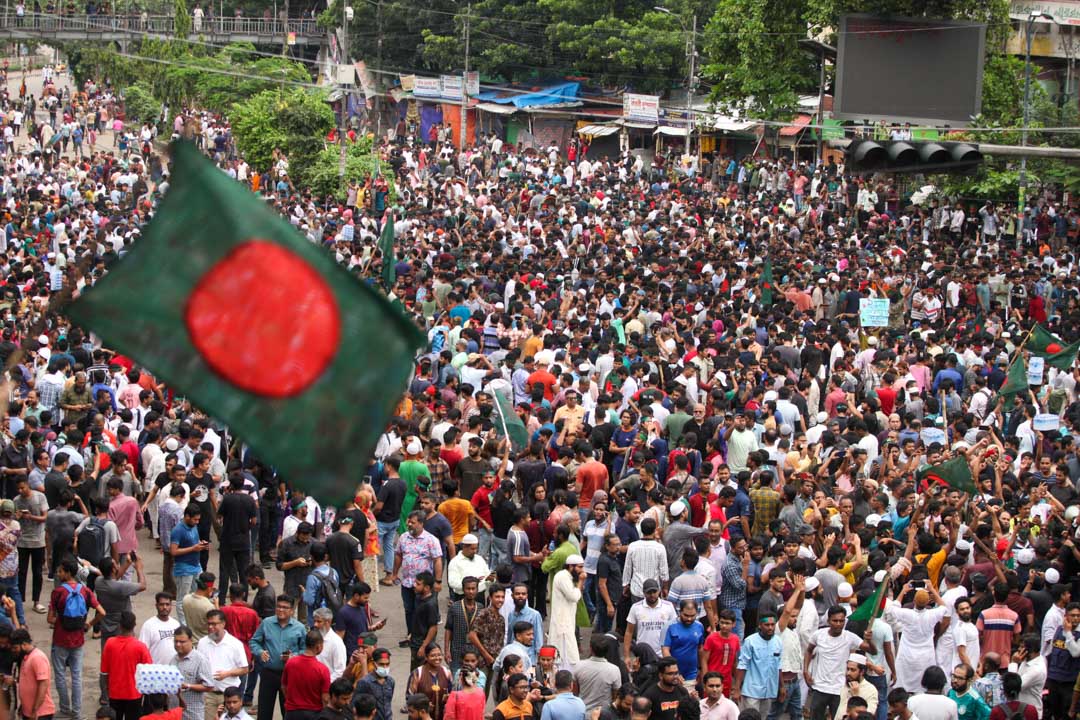
To make these strategies successful, Bangladesh needs to foster political will and bipartisan collaboration. Accordingly, public pressure, civil society engagement and a robust media can hold leaders accountable and push for necessary reforms.
7. Leveraging Technology and Innovation for Unity
In today’s digital world, technology can play a pivotal role in promoting national unity.
Digital Platforms for Civic Engagement

Leveraging digital platforms can enhance citizen participation, transparency in governance and foster dialogue. For instance, e-governance initiatives could provide citizens with direct access to government services, while online forums can promote discussions on national unity and collective goals.
Conclusion: Moving Forward Together
Rebuilding national unity in Bangladesh is a complex and multi-faceted challenge, but by combining top-down and bottom-up approaches, acknowledging the historical and cultural context and focusing on specific, actionable steps, eventually we can make significant progress. Let’s come together as a nation, not just as individuals or groups, but as one united force, determined to shape a better future for all.
Call to Action:
We all have a part to play in fostering national unity. Whether its through community engagement, advocating for policy changes or simply embracing diversity, each step we take brings us closer to a united Bangladesh. Let’s make this change together for a meaningful and sustainable future. https://lucysjourney.com/category/perception-truth/